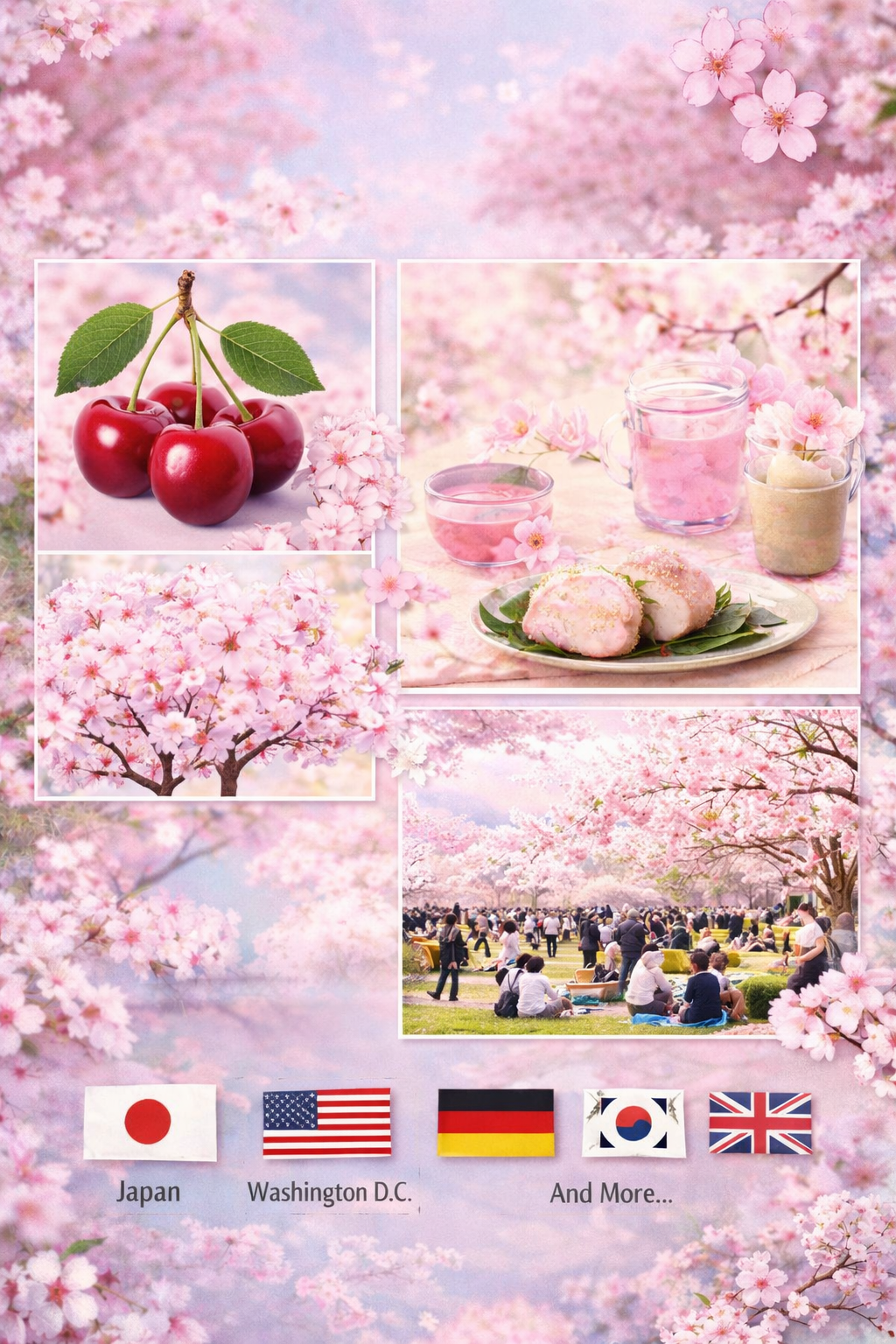
Every spring, soft pink petals flood social media feeds, travel blogs, and cultural discussions. Some call them cherry blossoms, others say sakura, and many search for “cherry sakura” wondering if they are the same thing. But are cherry and sakura identical? What does cherry sakura taste like? And what is the real name of this beautiful 🌸 flower?
Let’s explore the history, flavor, symbolism, and global fascination behind one of the world’s most iconic blooms.
What Is Cherry Sakura?
“Cherry sakura” is a combined phrase often used online, but technically:
-
Cherry blossom is the English term.
-
Sakura (桜) is the Japanese word for the same flower.
Both refer to the blossoms of trees in the genus Prunus, especially ornamental cherry trees. According to Cherry Blossom, sakura usually refers to the flowers of ornamental cherry trees rather than the fruit-bearing varieties.
So, cherry and sakura are not two different flowers. They are the same bloom described in two languages.
Are Cherry and Sakura the Same?
Yes in most contexts, they are the same.
However, there’s a small but important distinction:
-
Cherry trees can be grown for fruit (like sweet cherries).
-
Sakura trees are usually ornamental and grown primarily for their flowers.
In Japan, sakura rarely produces edible cherries. The focus is on the blossom itself — its beauty, symbolism, and cultural importance.
So when people search “Are cherry and sakura the same?” the simple answer is:
Sakura = Japanese word for cherry blossom.
What Is the Name of This 🌸?
The 🌸 emoji officially represents the cherry blossom.
In Japan, it’s called sakura. In botanical terms, most popular sakura varieties belong to Prunus serrulata and related species.
Globally, the flower is known as:
-
Cherry blossom (English)
-
Sakura (Japanese)
-
Japanese flowering cherry (horticultural term)
The Cultural Meaning of Sakura in Japan
To understand cherry sakura, you must understand Japan.
In Japanese culture, sakura represents:
-
The fleeting nature of life
-
Renewal and fresh beginnings
-
Beauty mixed with impermanence
-
The arrival of spring
As noted by institutions like Library of Congress in their cultural exhibitions on sakura, the blossoms symbolize the ephemeral beauty of life because they bloom brilliantly but fall within days.
This concept aligns with the Japanese philosophy of mono no aware — an awareness of impermanence.
Hanami: The Cherry Blossom Celebration
Each year, millions gather in parks for hanami, the traditional custom of flower viewing.
During peak bloom:
-
Families picnic under sakura trees
-
Companies host outdoor gatherings
-
Parks stay open late for nighttime viewing (yozakura)
In cities like Tokyo, peak cherry blossom season usually occurs from late March to early April, according to the official travel guide GO TOKYO.
Hanami is not just sightseeing it’s a celebration of time, change, and shared beauty.
What Does Cherry Sakura Taste Like?
Here’s where things get interesting.
Cherry blossom flavor is not the same as cherry fruit flavor.
While cherries taste:
-
Sweet
-
Juicy
-
Sometimes tart
Sakura flavor is:
-
Lightly floral
-
Slightly sweet
-
Gently herbal
-
Sometimes with almond-like notes
This almond hint comes from natural compounds also found in cherry leaves.
Modern brands have embraced the flavor. For example, Red Bull introduced the Spring Edition Cherry Sakura flavor, blending fruity cherry notes with a floral finish.
So if you try a “cherry sakura” drink or dessert, expect a delicate floral sweetness rather than bold cherry candy flavor.
How Is Sakura Used in Food?
In Japan, cherry blossoms are often preserved in salt and used in traditional dishes.
Popular sakura-flavored foods include:
-
Sakura mochi (sweet rice cake)
-
Sakura tea (made with salted blossoms)
-
Sakura ice cream
-
Sakura lattes
-
Seasonal pastries
Some long-standing producers like Japan Cherry Blossoms create sakura extracts used in culinary products for over a century.
Sakura season has also become a marketing phenomenon worldwide, inspiring limited-edition drinks, chocolates, and bakery items every spring.
Cherry Blossom Season Around the World
Although deeply rooted in Japan, cherry blossoms are now global icons.
Japan
Cities like:
-
Tokyo
-
Kyoto
-
Osaka
draw millions of visitors annually.
United States
Washington, D.C. hosts the National Cherry Blossom Festival, thanks to trees gifted by Japan in 1912.
Europe & Beyond
Cherry blossoms bloom in:
-
Germany
-
South Korea
-
China
-
The UK
But nowhere matches the emotional depth and cultural scale of sakura season in Japan.
The Symbolism: More Than Just a Flower
Sakura carries layered meanings:
1. New Beginnings
Japan’s school and fiscal year begins in April the same time sakura blooms.
2. Life’s Fragility
The blossoms fall quickly, reminding observers that beauty is temporary.
3. Unity and Community
Hanami gatherings bring people together under shared petals.
4. Historical Significance
In different periods of Japanese history, sakura symbolism evolved, sometimes even representing sacrifice.
This duality beauty and impermanence makes sakura emotionally powerful.
Popular Types of Sakura Trees
There are hundreds of cherry blossom varieties, but some famous ones include:
-
Somei Yoshino (most common in Japan)
-
Shidarezakura (weeping cherry)
-
Yamazakura (mountain cherry)
-
Kawazu-zakura (early blooming variety)
Each differs in:
-
Bloom timing
-
Petal shape
-
Color intensity
-
Fragrance
Some bloom in deep pink, others in pale white with subtle blush tones.
Why “Cherry Sakura” Is Trending Online
Search engines show growing interest in:
-
Cherry sakura meaning
-
Cherry sakura flavor
-
Sakura cherry blossom season 2026
-
Sakura drink editions
-
Sakura aesthetic photography
This rise in popularity is driven by:
-
Social media visuals
-
Limited-edition food and beverage releases
-
Travel tourism campaigns
-
Anime and pop culture influence
The term “cherry sakura” often appears in product branding to combine global recognition (“cherry”) with cultural authenticity (“sakura”).
Cherry vs Sakura: A Quick Comparison
| Feature | Cherry | Sakura |
|---|---|---|
| Language | English | Japanese |
| Focus | Often fruit | Usually flowers |
| Taste | Sweet/tart fruit | Light floral |
| Cultural Meaning | Limited symbolism | Deep philosophical meaning |
| Bloom Duration | Depends on species | Very short-lived |
The key takeaway? They refer to the same blossom but sakura carries stronger cultural and symbolic weight.
Why Sakura Continues to Fascinate the World
In a fast-paced digital age, sakura offers something rare:
-
A reminder to pause
-
A seasonal ritual
-
A symbol of mindful living
People travel across continents just to witness a bloom that lasts barely a week. That speaks to its emotional power.
Unlike roses, which symbolize romance, or lilies, which symbolize purity, sakura symbolizes something universal — the beauty of passing time.
Final Thoughts: Are Cherry and Sakura Truly Different?
No they are the same flower.
But culturally? Emotionally? Symbolically?
Sakura is more than just a cherry blossom. It is:
-
A national icon of Japan
-
A seasonal celebration
-
A philosophical metaphor
-
A growing global flavor trend
So next time you see 🌸, you’ll know:
You’re looking at sakura the cherry blossom that captures the fragile, beautiful heartbeat of spring.
Quick Answers (FAQ Section)
Are cherry and sakura the same?
Yes. Sakura is the Japanese word for cherry blossom.
What does cherry sakura taste like?
Lightly floral, mildly sweet, sometimes with subtle almond notes.
What is cherry sakura?
A term combining cherry blossom (English) and sakura (Japanese), often used in branding or online searches.
What is the name of this 🌸?
Cherry blossom, known as sakura in Japan.