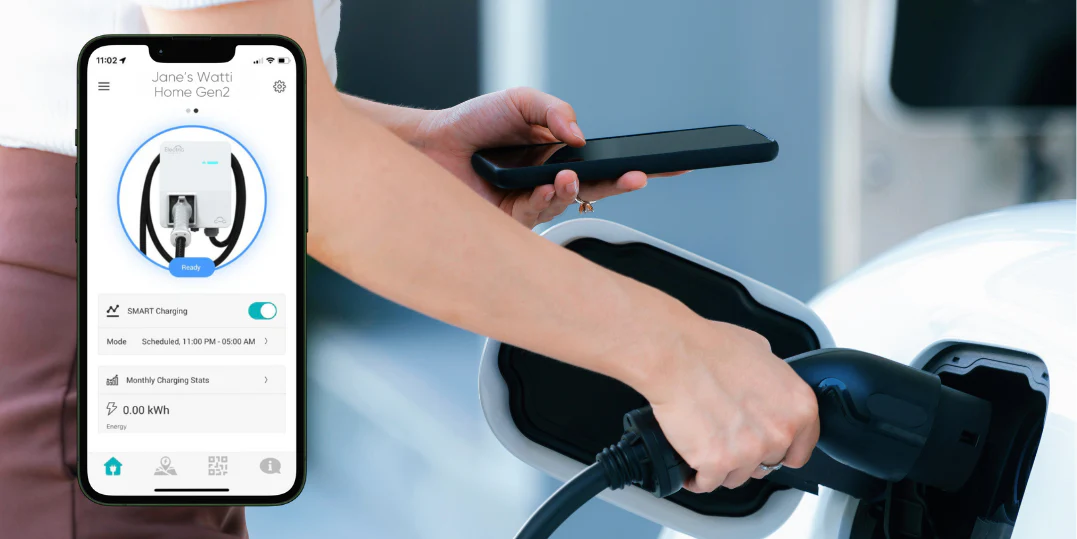
As electric vehicles continue to surge in popularity, the demand for reliable home charging solutions has never been higher. In 2025, more than 2.5 million EVs are expected to be on U.S. roads, making home charging an essential upgrade for EV owners. If you’re considering EV charger installation, choosing the right charger for your specific electric vehicle model is crucial for safety, efficiency, and long-term performance.
From charging speed to connectivity features, there are several factors that determine which charger is right for your EV. This guide breaks down everything you need to know to make an informed decision.
Understanding the Levels of EV Charging
Before selecting a charger, it’s important to understand the different EV charging levels available today:
Level 1 Charging – The Slowest Option
- Uses a standard 120V household outlet
- Adds about 2–5 miles of range per hour
- Best for plug-in hybrids or very light daily driving
While Level 1 chargers are convenient because they use existing outlets, they are typically too slow for most full battery-electric vehicles.
Level 2 Charging – The Ideal Home Charging Solution
- Requires a 240V outlet (like those used for dryers)
- Adds 20–60 miles of range per hour
- The most recommended choice for homeowners
Most EV owners who invest in EV charger installation choose Level 2 chargers because they offer a balance of speed, efficiency, and cost.
DC Fast Charging – Not for Home Use
- Adds 60–200+ miles in 20–30 minutes
- Requires commercial-grade equipment
- Used at charging stations, not residential homes
These chargers are extremely fast but not suitable or financially practical for residential installation.
Why Your EV Model Matters When Choosing a Charger
Each electric vehicle comes with specific charging capabilities, connector types, and maximum charging speeds. For example:
- A Tesla Model Y can accept up to 11.5 kW on Level 2 charging.
- A Nissan Leaf accepts around 6.6 kW, making ultra-high-speed chargers unnecessary.
- Hyundai Ioniq 5 and Kia EV6 models support rapid AC charging but still have maximum onboard limits.
Understanding your EV’s onboard charger limit helps ensure you choose a charger that matches your car’s capabilities without overspending.
Key Features to Consider for Your EV Charger Installation
Choosing the right charger isn’t just about speed it’s about convenience, safety, and long-term value. Here are the most important features to look for:
1. Charging Speed (kW Rating)
Most Level 2 chargers range from 7.2 kW to 11.5 kW, but not all EVs can accept the highest rate. When selecting a charger:
- Match the charger’s output to your vehicle’s onboard charging limit
- Consider your daily commute—if you drive 40 miles a day, a 7.2 kW charger is typically enough
- Faster charging can reduce overnight charging time by 40–60%
2. Connector Type and Compatibility
In North America, most EVs use the J1772 connector, except Tesla vehicles, which use the Tesla North American Charging Standard (NACS) connector.
As of 2025, many automakers including Ford, GM, Honda, and Toyota have adopted NACS. Many new home chargers now offer dual-connector systems.
3. Smart Charging Features
Modern EV chargers often come with advanced smart features:
- Wi-Fi or Bluetooth connectivity
- Charging schedules to take advantage of off-peak electricity rates
- Energy monitoring
- App control for remote charging
Around 70% of EV owners prefer smart chargers because they can reduce electricity costs by up to 25% over time.
4. Weather Resistance and Durability
If your charger will be installed outdoors, check its weatherproof rating:
- Look for NEMA 3R or NEMA 4 ratings
- Ensure cables can withstand heat, moisture, and sun exposure
Florida, Texas, and other hot-weather states especially benefit from heat-resistant chargers.
5. Cord Length and Flexibility
Most chargers offer cords between 18 and 25 feet, but longer cords provide more flexibility for garage layouts.
If you have more than one EV or plan to expand in the future, a longer cable can be a major convenience.
6. Installation Requirements
A Level 2 charger requires:
- A dedicated 240V circuit
- A licensed electrician
- A compatible electrical panel
In many homes built before 1990, panel upgrades may be required. This can add $300–$1,500 depending on electrical capacity.
Hiring a certified electrician is essential for safe EV charger installation, preventing risks like electrical overload or faulty wiring.
Cost of EV Charger Installation in 2025
The cost of EV charger installation varies depending on the charger type and electrical requirements:
- Level 2 charger equipment: $300–$800
- Professional installation: $400–$1,200
- Panel upgrades (if needed): $500–$2,500
Total typical cost: $700–$3,500 depending on home setup.
Many states also offer rebates and tax incentives, reducing the cost by 20–40%.
Benefits of Installing a Home EV Charger
A professionally installed home charger provides significant advantages:
- Convenience: Charge overnight without waiting in line
- Cost savings: Off-peak charging can cut costs by up to 30%
- Faster charging: Level 2 chargers are 4x–10x faster than Level 1
- Increased home value: Homes with EV charging capability sell for 2–5% more
These benefits make home charging a worthwhile long-term investment.
Final Thoughts: Choosing the Best Charger for Your EV
Selecting the right charger starts with understanding your electric vehicle model, charging habits, and home electrical capacity. Whether you drive a Tesla, Nissan, Ford, or any other EV brand, choosing a high-quality Level 2 system—and hiring a certified electrician for the ev charger installation—ensures safe, efficient, and reliable charging for years to come.