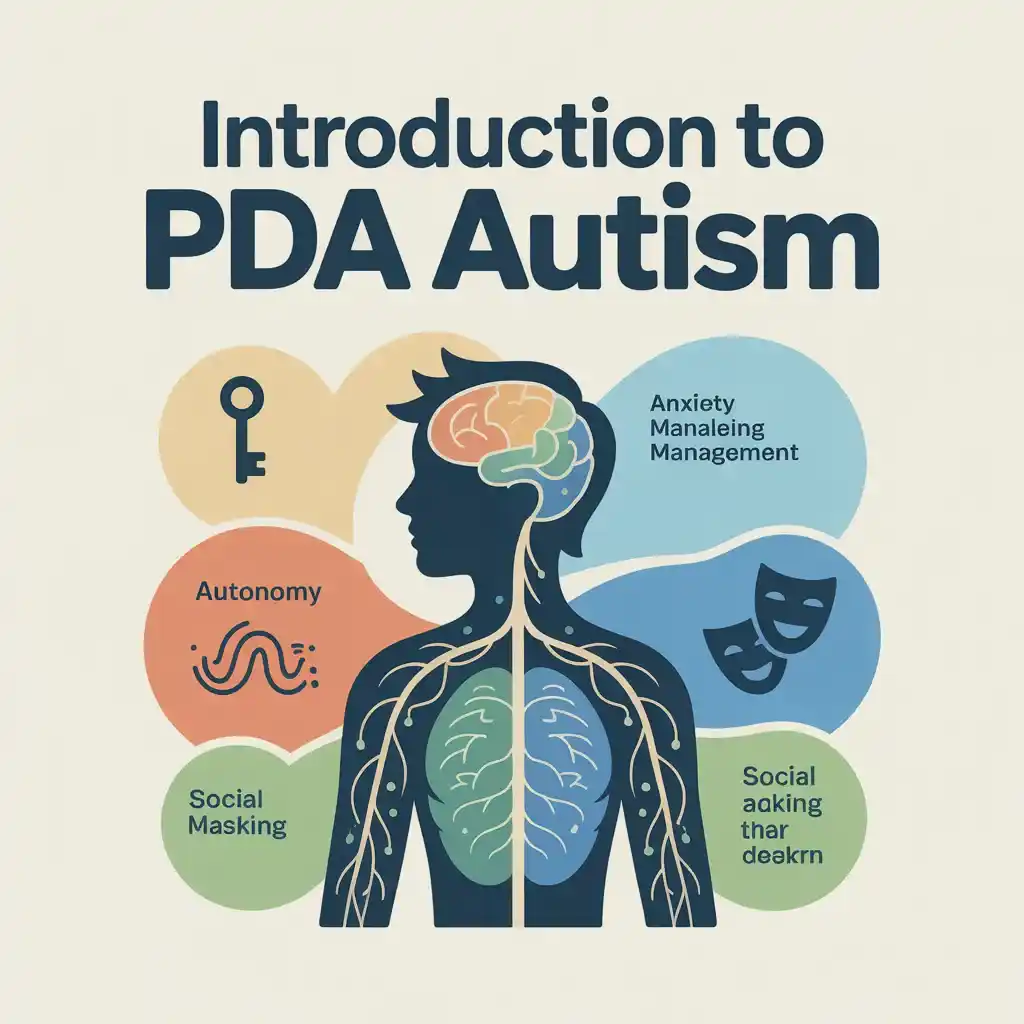
Introduction to PDA Autism
Living with autism can present a wide array of experiences, and one particularly challenging profile is Pathological Demand Avoidance (PDA), often referred to as a Persistent Drive for Autonomy. This isn’t about being stubborn or defiant; it’s a deep-seated response rooted in overwhelming anxiety. Individuals with PDA autism feel an intense need to maintain control over their surroundings to manage that anxiety, leading to creative ways of sidestepping everyday demands. Whether it’s a child refusing to brush their teeth or an adult avoiding work deadlines, the core issue is the same: a relentless drive to protect their sense of autonomy.
This profile stands out because it doesn’t always fit the typical autism narrative. Many people with PDA appear sociable on the surface, charming others while internally battling high levels of stress. Understanding this can make a world of difference for families, educators, and the individuals themselves. In this article, we’ll dive into the signs of PDA, compare symptoms in children vs. adults, explore the root cause and diagnosis, and share practical support strategies like the PANDA model.
What is PDA Autism?
At its heart, PDA autism is a unique way autism can show up, where the person experiences an extreme aversion to anything that feels like a demand or expectation. This could be something as simple as getting dressed or attending a meeting. The term Pathological Demand Avoidance was first coined in the 1980s by Professor Elizabeth Newson, and today it’s recognized by organizations like the PDA Society as a profile within the autism spectrum.
Unlike other autism profiles, PDA is driven by anxiety rather than sensory overload alone. People with this profile might use social strategies, like negotiation or distraction, to avoid tasks. It’s not listed as a separate diagnosis in manuals like the DSM-5, but it’s often identified during broader neurodevelopmental assessments. Some even link it to conditions like ADHD, noting overlaps in emotional ups and downs.
Key Signs of PDA
Recognizing PDA autism symptoms is crucial for early support. These signs revolve around an unyielding push for control, often masking deeper fears.
One hallmark is intense resistance to routine requests, where even small asks trigger big reactions. This ties into anxiety-driven avoidance, where individuals might make excuses, argue, or change the subject to dodge the demand. They often show surface sociability, seeming outgoing but struggling with real social connections due to underlying anxiety.
Other indicators include difficulties with sensory/emotional regulation, leading to quick mood shifts or meltdowns when their independence feels at risk. Many engage in role-playing, stepping into fantasy worlds or characters as a way to cope and detach from stressful situations.
Symptoms in Children vs. Adults
The way PDA appears can change with age, but the core anxiety remains.
In children, PDA symptoms in child often look like explosive “fight-or-flight” responses to minor things, such as homework or bedtime. Kids might come across as “bossy” with friends, fixating obsessively on certain people or interests. This can make school and home life tricky, as they resist structure intensely.
For PDA autism in adults, the resistance is subtler. Adults might use charm to navigate social settings or avoid commitments like jobs and relationships that demand too much. They could seem highly capable but struggle with independence in pressured environments, leading to questions like Can people with PDA live independently? The answer is yes, with the right supports, but it often requires tailored strategies to manage anxiety.
Main Points on PDA Autism
To summarize the core aspects of this profile, here’s a clear list of the main points drawn from expert insights and resources like the Child Mind Institute, PDA Society, Wikipedia, and others:
- Definition and Origins: PDA is an anxiety-based autism profile first described in the 1980s, emphasizing a drive for autonomy over defiance.
- Core Behaviors: Includes extreme avoidance of demands through creative tactics like negotiation, distraction, or social manipulation.
- Differences from Other Conditions: Unlike Oppositional Defiant Disorder (ODD), PDA stems from anxiety, not aggression, and is linked to autism or ADHD.
- Diagnosis Challenges: Not a standalone DSM-5 diagnosis; identified via comprehensive evaluations by psychologists.
- Support Needs: Traditional methods fail; focus on flexibility, anxiety reduction, and collaboration.
- Life Impact: Affects daily functioning but with proper help, individuals can thrive, including living independently.
- Related Searches: Common queries include PDA autism test, PDA diagnosis checklist, PDA autism treatment, PDA autism examples, PDA autism Reddit discussions, and more.
This overview captures the essence without oversimplifying the complexity.
What is an Example of PDA Behavior?
To make this real, consider a common PDA autism examples: Imagine a child asked to tidy their room. Instead of refusing outright, they might start a lengthy negotiation, like “What if I do it tomorrow after my favorite show?” or distract by role-playing a superhero who “can’t be bothered with chores.” If pushed, it could escalate to a meltdown. In adults, it might look like charmingly postponing a work task by suggesting alternatives, all to regain control.
Root Cause and Diagnosis
The root cause of PDA boils down to profound anxiety from threats to autonomy. It’s generally seen as part of autism, though not everyone with PDA identifies that way. Factors like sensory sensitivities or emotional lability (rapid mood changes) play a role, and there’s noted overlap with ADHD.
For diagnosis, it’s not straightforward. Professionals, often from teams like the East Sussex Healthcare NHS Trust or via events from Attwood & Garnett, assess it as a “hidden” autism profile. Tools like a PDA diagnosis checklist might be used, but it’s part of a full evaluation. Early identification helps, especially since PDA can be mistaken for behavioral issues.
How to Help Someone with PDA Autism?
Supporting someone with PDA autism requires empathy and flexibility. Traditional discipline often backfires, increasing anxiety. Instead, the PDA Society promotes the PANDA model as a key PDA autism treatment approach:
- Pick battles: Focus only on essential demands to avoid overload.
- Anxiety management: Use calming techniques like deep breathing or sensory tools.
- Negotiation and collaboration: Involve the person in decisions to build trust.
- Disguise and manage demands: Phrase requests indirectly, like “I wonder if…” instead of commands.
- Adaptation: Be flexible with rules, allowing autonomy where possible.
Therapies from places like Manhattan Psychology Group emphasize environmental adjustments over behavioral fixes. For those wondering how to help someone with PDA autism, start with understanding their anxiety it’s about partnership, not control.
Communities on PDA autism Reddit offer real stories, showing that with support, many lead fulfilling lives. A PDA autism test or screening can guide next steps, but professional advice is key.
Living with PDA: Independence and Beyond
Yes, people with PDA can absolutely live independently, but it depends on personalized strategies. Adults often thrive in flexible careers or with routines they design themselves. Building self-awareness through therapy helps manage triggers.
In conclusion,
PDA autism is a call for compassion and creativity in support. By recognizing the anxiety behind the avoidance, we can foster environments where autonomy flourishes. If you’re navigating this, resources from the Child Mind Institute or PDA Society are great starting points. Remember, every person’s experience is unique—approach with openness and flexibility.